

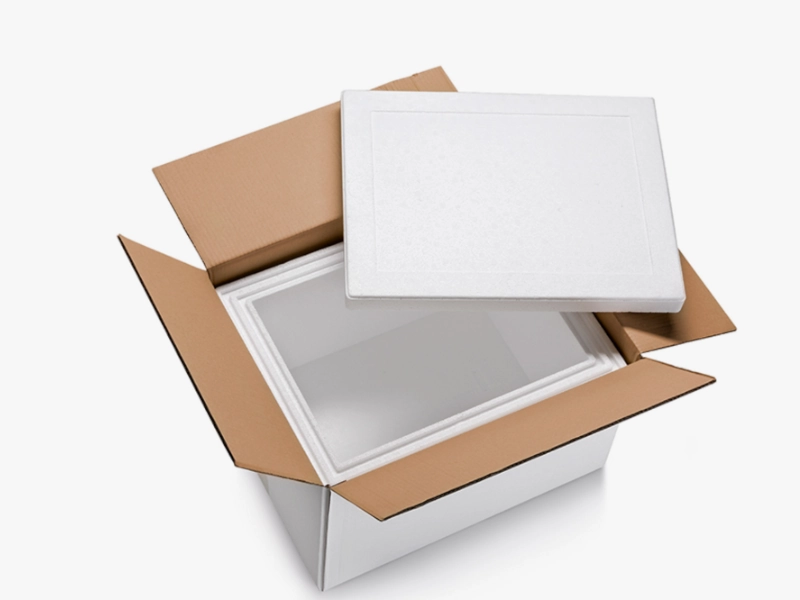
Controlling temperature during storage and transportation in the current global supply chain has become very significant.
Today, there are numerous examples of products that may deteriorate rapidly when exposed to extreme temperatures. Such products include life-saving medications, perishable food products, and cosmetic products.
Companies employing advanced technology to provide insulation through their packaging are able to protect their products from deterioration and damage caused by extreme temperatures.
This improves customer satisfaction and compliance with applicable laws governing their particular industry.
This guide explains how temperature controlled packaging solutions function and why investing in them is necessary for businesses operating in a variety of industries.
All About Temperature Controlled Packaging
Temperature controlled packaging is specialized packaging designed to maintain certain temperature ranges during transportation and storage.
It maintains heat, cold, and humidity, and prevents sudden changes in temperature that would compromise a product’s quality or safety.
Unlike regular shipping boxes, such packaging uses insulation s along with cooling/heating properties to maintain a constant environment for temperature sensitive goods.
This type of packaging is used for:
- Pharmaceuticals
- Fresh Food
- Frozen Products
- Dairy Items
- Cosmetics
- Laboratory Samples
- Chemicals
- Floral Products
Why is Temperature Control Packaging Important?
There are many products that must adhere to strict temperature ranges. Exposure to temperatures that fall outside of those ranges can render a product less effective or cause it to spoil.
Reliable temperature control packaging protects businesses’ products from deterioration due to temperature extremes.
It also enables them to fulfill regulatory obligations, minimize product returns, increase customer confidence, and ultimately save money on replacing damaged products.
Thus, effective temperature management becomes a logistics necessity as global shipping expands.
Types of Temperature Controlled Packaging Solutions
Depending on the type of product being transported and the expected shipment time, there are two basic types:
- Passive Systems
- Active Systems
Passive Systems
Passive systems do not utilize electrical power but instead employ insulation and cooling agents. Examples of passive systems include:
- Gel Packs
- Dry Ice
- Ice Pack
- Thermal Liners
- Insulated Foam
When combined together, these elements create a stable internal environment. It can last from a few hours up to several days based on shipping conditions.
These solutions are relatively inexpensive, lightweight, and widely utilized for both short- and medium-length shipments.
Active Systems
Active Systems employ some sort of electrically operated cooling or heating device to provide precise control over temperature. Examples of active systems include:
- Refrigerated shipping containers
- Battery-operated cooling units
- Electrically operated shipping boxes
- Heated Transport Containers
These systems provide longer-term control over temperature. They are useful for longer-distance shipments or for highly valuable products that demand a stable temperature for extended periods.
Common Temperature Controlled Packaging Boxes
Based upon individual company needs and shipping requirements, businesses can select from a number of different options like:
- Corrugated Insulated Boxes
Corrugated cardboard boxes are made from an insulated liner that maximizes thermal protection.
- Reusable Insulated Shipping Containers
Reusable insulated shipping containers allow companies to reuse their containers repeatedly. This provides companies with potential long-term cost savings on packaging materials and minimizes waste.
- Vacuum Insulated Panels (VIP) Boxes
VIP boxes offer top-rated thermal insulation with minimal thickness. They provide a good option for extremely expensive medical products and biologic products.
Temperature Controlled Packaging For Pharmaceutical Market
With this risk in mind, pharmaceutical companies invest in the most reliable advanced packaging solutions capable of providing a secure thermal environment for their pharmaceutical products during storage, transportation, and last-mile delivery.
Some common packaging features used by pharmaceutical companies include:
- High-Performance Insulated Containers
- Gel Packs/Dry Ice
- Vacuum Insulated Panels
- Data Loggers for Tracking Temperatures
- Tamper-Evident Packaging
Benefits of Temperature Controlled Packaging
- Protects Product Integrity
Preserving a product’s stability in terms of freshness or functionality preserves value during transportation.
- Reduces Product Loss and Waste
Packaging prevents spoilage and therefore saves companies money and avoids producing unnecessary waste.
- Ensures Regulatory Compliance
Meeting industry standards related to product transport is achieved by using temperature controlled shipping methods. These standards are applicable in pharmaceutical and food industries.
- Reduces Shipment Losses
Decreasing product damage resulting from improper shipping procedures eliminates the costs associated with reshipping damaged goods. It subsequently reduces customer complaints about damaged goods.
Choosing The Proper Type of Temperature Controlled Packaging Solution
When selecting the best possible packaging solution, there are several key considerations.
- Temperature Range Desired for Product Protection
Before selecting any type of packaging solution, you should understand what temperature range your product requires to remain safe prior to purchase.
- Duration Needed for Transportation
For longer shipping durations, you should consider purchasing a higher level of insulation as well as additional cooling materials.
- Environmental Temperature During Transit
Shipping environments play a significant role in determining whether or not a particular piece of packaging will perform well.
- Dimensions of Package Selected
Utilizing a box that is sized correctly increases the amount of insulation used per cubic foot as well as reduces the quantity of cooling agent needed.
Technological Advancements That Ensure Sustainability
Some innovative sustainable packaging solutions that also ensure meeting your green concerns include:
- Recyclable Insulated Liners
- Paper-Based Thermal Packaging
- Biodegradable Cooling Agents
- Reusable Shipping Containers
- Eco-Friendly Gel Packs
- Reduced-Plastic Packaging Options
These advances enable businesses to lower their negative impact on the environment while still providing sufficient protection for sensitive products.
Best Practices for Temperature Controlled Shipping
To optimize your outcomes:
- Cool down your pre-cooling agents before placing them into your package.
- Use adequate insulation based on the intended shipping duration.
- Minimize empty space inside your box.
- Seal packages securely.
- Include temperature monitoring devices with critical shipments.
- Test your packaging under actual shipping conditions.
- Follow product-specific storage instructions.
Performing these steps will greatly enhance your shipping results.
Conclusion
To address the concerns regarding the safe shipment of sensitive products, temperature controlled packaging has emerged as a useful solution.
Businesses requiring these types of shipments should consider it a reliable option. It is efficient in meeting both regulatory requirements and customer expectations.
In light of emerging trends towards sustainable packaging alternatives and increased utilization of smart packaging technologies, there will likely be continued investments in such controlled packaging options. Let’s see how far technologies take this move.
