

People use plastic products on a daily basis. They are used for cooking, serving beverages, and storing goods.
However, common plastic is highly polluting, as it remains in landfills for hundreds of years.
This is the reason why many people opt to use biodegradable plasticware nowadays.
It is an environmentally friendly material, which disintegrates faster under certain conditions.
Features of Biodegradable Plasticware
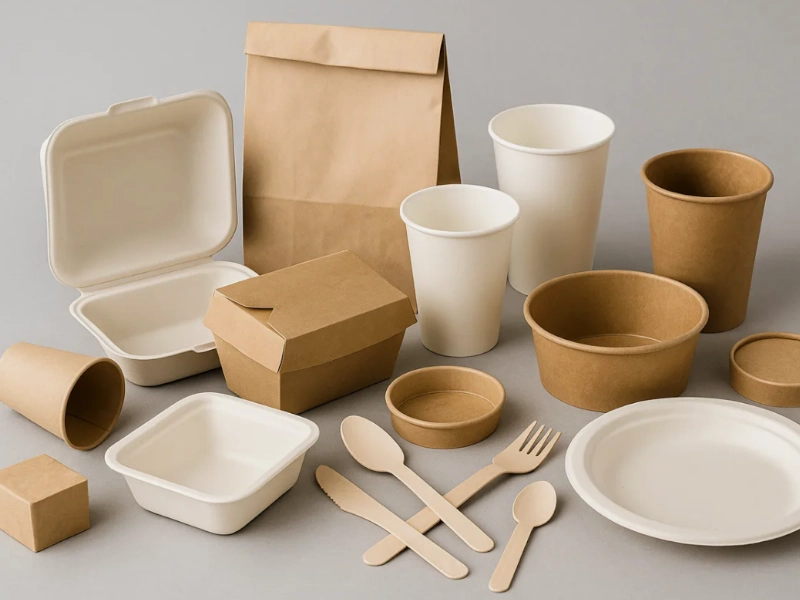
Biodegradable plastic products include cups, plates, bowls, spoons, forks, knives, and other similar things.
They are created with the use of special materials, which disintegrate over a certain time period.
Microorganisms such as bacteria and fungi contribute to the process of decomposition, and the product turns into organic elements like water and carbon dioxide.
As opposed to common plastic, biodegradable plasticware is not present in nature for many centuries.
How Is Biodegradable Plasticware Made?
Manufacturers use renewable and plant-based materials to make biodegradable plasticware.
These materials come from natural sources instead of petroleum.
Common materials include:
- Cornstarch
- Sugarcane fibers
- Potato starch
- Bamboo fibers
- Wheat straw
- Polylactic acid (PLA)
These materials can be processed into strong and useful food service products.
They look similar to regular plastic but have a much lower environmental impact.
How Does It Break Down?
Biodegradable plasticware breaks down through natural biological processes. Tiny organisms feed on the material and slowly decompose it.
Several factors affect how quickly it breaks down:
- Temperature
- Moisture
- Oxygen
- Microbial activity
- Composting conditions
Some biodegradable products break down within months in industrial composting facilities. Others may take longer if they are thrown into regular landfills.
Biodegradable vs Traditional Plastic
Many people confuse biodegradable plastic with regular plastic. They may look alike, but they behave very differently after disposal.
Here are the main differences:
| Biodegradable Plasticware | Traditional Plastic |
|---|---|
| Made from renewable resources | Made from petroleum |
| Breaks down naturally | Can remain for hundreds of years |
| Produces less long-term waste | Creates lasting pollution |
| Often compostable | Usually not compostable |
| Better for the environment | Contributes to plastic waste |
These differences make biodegradable products a better choice for many businesses and households.
Benefits of Biodegradable Plasticware
Biodegradable plasticware offers many environmental and practical benefits.
Reduces Plastic Waste
One of the biggest advantages is waste reduction. Since these products break down naturally, they reduce the amount of plastic left in landfills.
Uses Renewable Resources
Many biodegradable products come from plants instead of fossil fuels. This helps reduce dependence on non-renewable resources.
Supports Cleaner Communities
Less plastic waste means cleaner parks, beaches, rivers, and neighborhoods. Proper disposal also helps reduce litter.
Lowers Carbon Footprint
Plant-based materials often require fewer fossil fuels during production. This can reduce greenhouse gas emissions over time.
Meets Consumer Demand
Many customers now prefer eco-friendly products. Restaurants and businesses that use biodegradable plasticware can improve their environmental image.
Common Uses of Biodegradable Plasticware
Biodegradable products are used in many industries.
They are popular in:
- Restaurants
- Cafes
- Food trucks
- Catering services
- Schools
- Offices
- Hospitals
- Hotels
- Outdoor events
- Family gatherings
Disposable plates, cups, and utensils make serving food easier while reducing environmental impact.
Is Biodegradable Plasticware Safe for Food?
Most biodegradable plasticware is designed for food use. Manufacturers follow food safety standards before selling these products.
Many items are:
- Food-safe
- BPA-free
- Non-toxic
- Odor-free
- Suitable for cold foods
Some products also handle hot foods, but users should always check the manufacturer’s temperature recommendations before use.
Is It the Same as Compostable Plasticware?
Biodegradable and compostable are not exactly the same.
Every compostable product is biodegradable, but not every biodegradable product is compostable.
Compostable products must break down within a specific time under composting conditions. They also leave no harmful residue behind.
Biodegradable products may need different environmental conditions to decompose completely.
Understanding this difference helps people choose the right product for their needs.
Challenges of Biodegradable Plasticware
Although biodegradable plasticware offers many benefits, it also has some limitations.
Needs Proper Disposal
Many biodegradable products require industrial composting facilities. If they end up in ordinary landfills, decomposition may happen much more slowly.
Higher Cost
Biodegradable products often cost more than traditional plastic. However, prices continue to decrease as production increases.
Limited Composting Facilities
Not every city has industrial composting centers. This limits the environmental benefits in some areas.
Consumer Confusion
Some people believe biodegradable items disappear anywhere. In reality, proper disposal methods are still very important.
Tips for Using Biodegradable Plasticware
You can get the best environmental results by using these simple tips.
- Read disposal instructions carefully.
- Separate biodegradable waste from regular plastic.
- Use composting facilities when available.
- Avoid mixing biodegradable products with recyclable plastics.
- Buy products from trusted manufacturers.
- Choose only the quantity you need.
These small habits help maximize environmental benefits.
Industries Driving Demand
Many industries are replacing traditional plastic with biodegradable alternatives.
Growing demand comes from:
- Food delivery companies
- Restaurants
- Grocery stores
- Airlines
- Event organizers
- Educational institutions
- Government organizations
Many businesses also use biodegradable packaging to meet sustainability goals and customer expectations.
The Future of Biodegradable Plasticware
Technology continues to improve biodegradable materials. Manufacturers are developing stronger, more heat-resistant, and more affordable products every year.
Governments around the world are also introducing regulations that encourage eco-friendly packaging. As awareness grows, more businesses are expected to switch to biodegradable alternatives.
Researchers are working to improve decomposition speed while maintaining product strength. Future innovations may make biodegradable products even more practical for everyday use.
Conclusion
Choosing environmentally friendly products helps reduce waste and protect natural resources.
While biodegradable products are not a complete solution to plastic pollution, they offer a better alternative to many traditional disposable items.
Proper disposal, responsible use, and increased composting infrastructure will make these products even more effective.
